The connection between streetwear and sustainability: A cultural shift
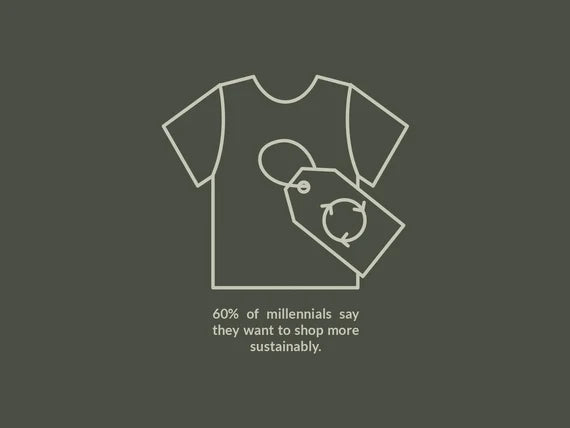

Streetwear has always been about pushing boundaries, challenging norms, and making statements. In recent years, however, the streetwear community has discovered a new mission: sustainability. This cultural shift toward eco-friendly fashion is far more than just a trend—it's a movement reshaping the entire industry. In this article, we explore the connection between streetwear and sustainability and show how this once rebellious subculture is now spearheading a greener future.
The Evolution of Streetwear
Streetwear emerged as a form of expression in skate, hip-hop, and punk cultures. It was all about authenticity, individuality, and a conscious departure from mainstream fashion. Over time, streetwear evolved into a global phenomenon, embraced by luxury brands and major labels, and its urban style has conquered the world's runways.
However, with increasing popularity came commodification—mass production and, in many cases, a shift away from the original values. This development met with resistance among streetwear fans, many of whom were once again seeking brands that embraced authenticity and rebellion.
The rise of sustainable streetwear
The ecological footprint of the fast fashion industry can no longer be ignored: It is responsible for a significant portion of global CO₂ emissions, water pollution, and waste. As awareness grew, so did the demand for sustainable alternatives. This gave rise to a new movement: sustainable streetwear. Here, the focus is on environmentally friendly materials, fair production conditions, and true transparency.
Sustainable streetwear means more than just environmental protection – it represents the community's core values: authenticity, quality, and social responsibility. It's a return to the movement's roots and a sign that streetwear and sustainability are forging new paths together.
Cultural change and community engagement
The new focus on sustainability isn't just emerging on the brand side—it's a grassroots movement driven by consumers, influencers, and activists committed to environmental and social justice. The streetwear community is using its platforms to inspire change, educate, and hold brands accountable.
Influencers as role models: Influencers play a key role by presenting sustainable brands, educating them, and inspiring their followers to make more conscious consumer choices.
Community and Collaboration: The streetwear scene is known for its solidarity and willingness to cooperate. This community mindset is now increasingly being channeled into sustainable activities – whether clothing swaps, upcycling workshops, or joint clean-up events.
Challenging the establishment: Just as streetwear has always rebelled against the mainstream, sustainable streetwear challenges the conventions of the fashion industry – it rejects disposable fashion and instead focuses on long-lasting, high-quality and socially responsible clothing.
The future of streetwear
Sustainability in streetwear isn't a short-term trend, but a fundamental shift in the perception of fashion. This shift represents a larger cultural movement toward a more conscious lifestyle in which consumers consider the impact their purchasing decisions have on the planet.
As sustainable streetwear continues to grow, we can expect many innovations in materials, design, and business models—from recycled fabrics to circular economy initiatives. The future of streetwear is one where creativity and sustainability go hand in hand.
The connection between streetwear and sustainability marks an exciting new chapter in the fashion world. By consistently implementing eco-friendly practices, the streetwear community is proving that style and sustainability are not mutually exclusive. At Sophisticated Boys Club, we are proud to be part of this movement and offer high-quality, ethically produced streetwear that reflects the values of our community.
-
Posted in
Sustainable Fashion, Sustainable Streetwear