What is the Circular Economy? A Guide to Sustainable Living

The term "circular economy" is gaining increasing traction as businesses, governments, and consumers seek more sustainable ways of living and working. But what exactly does it mean? How does the concept differ from the traditional "take, process, and dispose" model? In this article, we explore the basics of the circular economy, its benefits, and how everyone can become part of this innovative and environmentally friendly movement.
What is a circular economy?
The circular economy is an economic system that aims to eliminate waste and continuously use resources. Unlike the traditional linear economy, which follows the "take-process-dispose" principle and depletes natural resources and generates significant amounts of waste, the circular economy aims to keep products, materials, and resources in circulation for as long as possible. This maximizes the value before products and materials are recovered and regenerated at the end of their useful life.
Basic principles of the circular economy
-
Avoid waste and pollution from the start
Products are designed to be durable, reusable, and recyclable, minimizing waste and pollution from the outset. This principle encourages innovation in product design, material selection, and manufacturing processes to reduce environmental impact. -
Keep products and materials in circulation
The circular economy emphasizes keeping materials in circulation through reuse, repair, refurbishment, remanufacturing, and recycling. This reduces the need for new resources and the ecological footprint associated with the production of new products. -
Regenerate natural systems
Unlike the linear model, which often depletes natural resources, the circular economy aims to restore and regenerate ecosystems. For example, agricultural practices can target soil health and biodiversity, thus strengthening the natural environment rather than harming it.
The benefits of the circular economy
-
Environmental impact
By minimizing waste and maximizing the use of existing resources, the circular economy significantly reduces pollution, greenhouse gas emissions, and the consumption of finite resources. The result: healthier ecosystems and a contribution to combating climate change. -
Economic resilience
Circular-oriented practices create economic resilience through new business opportunities, reduced dependence on volatile commodity markets, and fostering innovation in product design and business models. -
Social benefits
Circular economy models often focus on local production, repair, and recycling, which creates jobs and strengthens communities. They also promote more sustainable consumer behavior and encourage people to buy less, better, and more consciously.
How the circular economy is transforming industries
More and more industries are implementing circular economy principles to reduce waste, cut costs and become more sustainable:
fashion
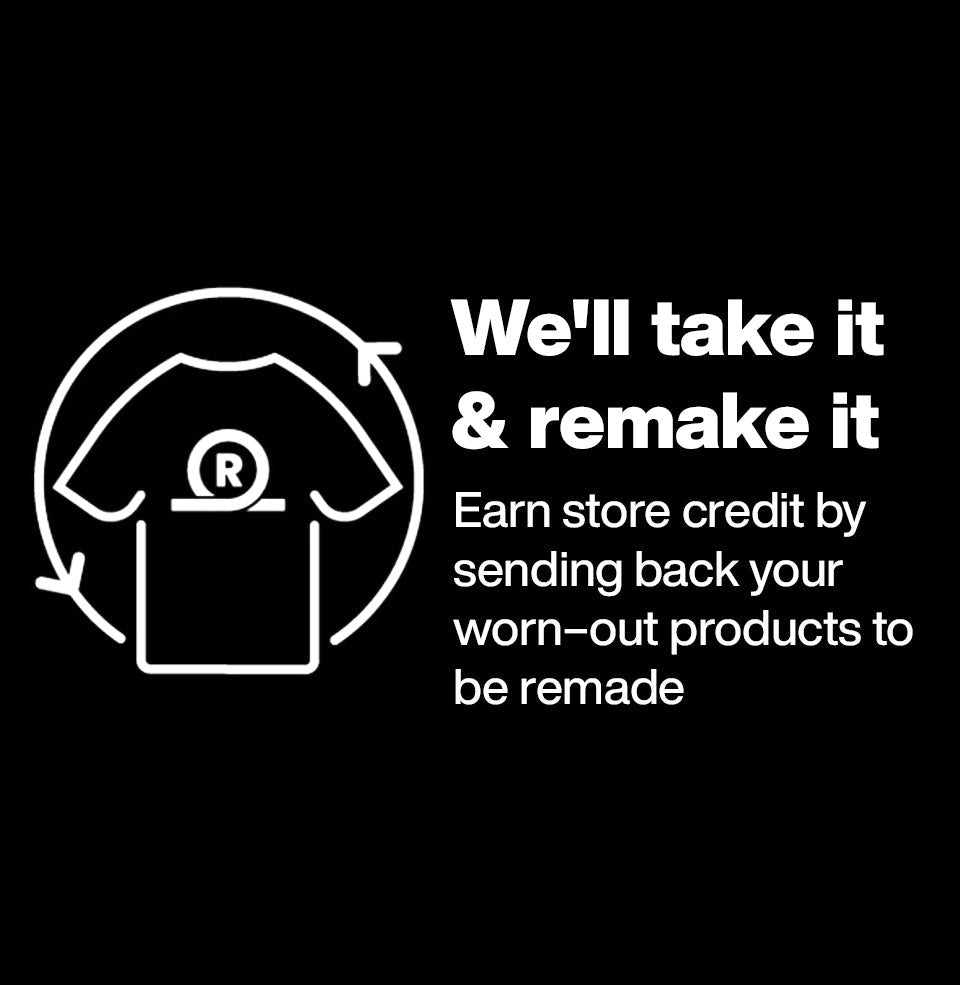
The fashion industry is notorious for its high resource consumption and waste. Yet more and more brands are adopting circular practices: They use recycled materials, design long-lasting clothing, and offer take-back programs for worn-out textiles.
electronics
Electronic waste is a global problem; millions of tons of devices are disposed of annually. Some companies are developing easily repairable and recyclable products, while others are establishing systems to recover valuable materials from old devices.
Groceries
In the food sector, the circular economy focuses on reducing food waste, optimizing resource use, and returning nutrients to the soil through composting. Innovations such as the redistribution of surplus food, sustainable packaging, and regenerative agriculture are part of this transformation.
How you can support the circular economy
Buy quality instead of quantity
Invest in high-quality, long-lasting products. Look for brands that offer warranties, repair services, and sustainable materials. Purchasing carefully crafted items reduces the need for quick replacements and thus waste.
Repair and reuse
Before throwing away broken or outdated items, try repairing or repurposing them. Many cities have repair cafés, and you can find tutorials online on how to repair everyday objects. Reuse extends the lifespan of products and conserves resources.
Recycle properly
Learn about local recycling programs and follow the guidelines to ensure recyclable materials are processed correctly. Proper recycling prevents resources from ending up in landfills and closes the material cycle.
Support circular-friendly brands
Consciously choose companies that practice circular economy—whether through their product design, take-back programs, or their commitment to sustainability. Your purchasing decisions set an example and can increase demand for sustainable business models.
The circular economy represents a shift from a wasteful linear system to a sustainable, regenerative system that benefits the environment, the economy, and society alike. When we embrace circular principles in our daily lives and support companies that prioritize sustainability, we collectively contribute to a better future. The first step is understanding what the circular economy means—so we can make informed, environmentally friendly decisions.
How do we do that?
We at Sophisticated Boys Club believe in this approach and are already implementing the circular economy in England .